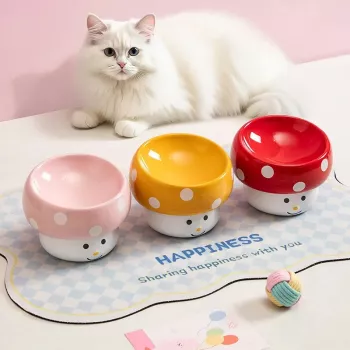
Slanted bowls can be better for many cats because the angled design brings food and water closer to the mouth, which may reduce how far a cat has to bend at the neck and shoulders. For cats that eat quickly, have mild arthritis, or seem uncomfortable hunching over a flat dish, the change in posture can make meals feel easier and help some cats finish food more calmly.
That said, “better” depends on the cat and the bowl’s shape. A steep angle or narrow opening can push food to one side, encourage whisker contact, or make it harder to eat wet food neatly. The most useful slanted bowls tend to be wide enough to avoid whisker stress, stable so they don’t tip, and paired with an appropriate height (often slightly raised) for a more natural eating position.
A gentle tilt can improve access to the last bits of food because gravity keeps kibble or wet food closer to the front of the bowl. Many owners also notice less mess around the bowl because cats don’t need to “scoop” food as much with their mouths or paws.
If a cat has a very flat face, is sensitive to whisker contact, or prefers to lap water from a larger surface, a slanted bowl may be less comfortable. Some cats also dislike change—switching bowls may require a short transition period and careful observation for reduced eating or signs of frustration.
Look for a wide, whisker-friendly rim, a non-slip base, and an angle that’s modest rather than extreme. Ceramic or stainless steel is often easier to keep clean and less likely to hold odors than some plastics. For deeper guidance on fit, materials, and common pitfalls, see the full guide here: https://purepet.shop/are-slanted-bowls-better-for-cats/.
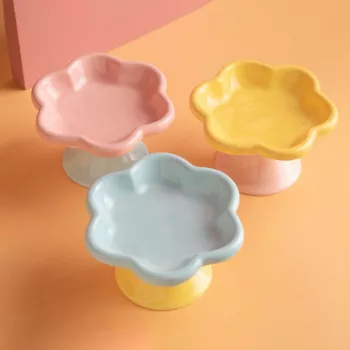
A wide, shallow bowl with low sides is usually best because it minimizes whisker contact. If choosing a slanted bowl, prioritize a broad opening and gentle tilt.









Leave a comment