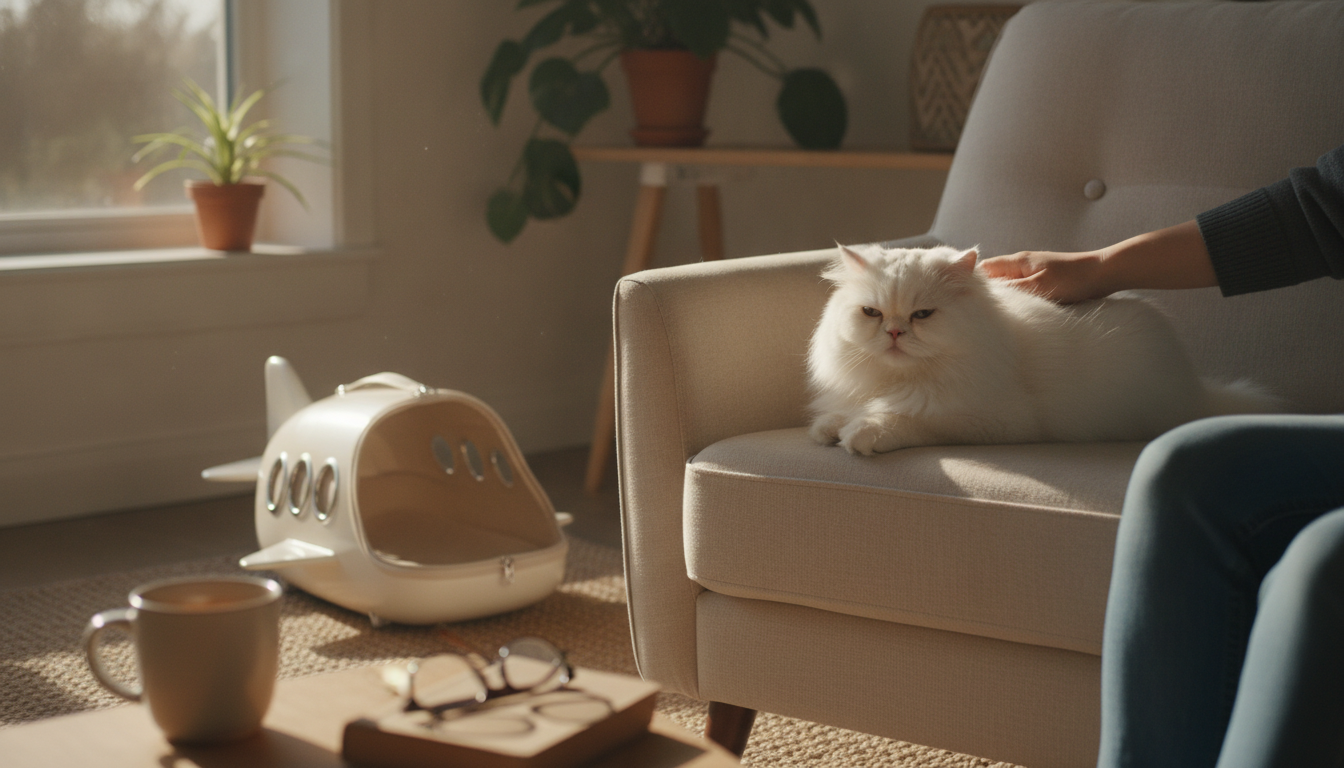
“Airplane ears” (ears turned sideways or slightly flattened) are a common feline signal that something about the interaction is shifting—sometimes toward discomfort, sometimes toward heightened alertness. It doesn’t automatically mean your cat is angry, but it does mean he’s paying close attention and may be nearing his limit.
Cats use ear position like a mood dial. When ears rotate outward, your cat may be trying to monitor sounds around him while also tracking your hand. If the ears flatten farther back, it can indicate stress, irritation, or feeling trapped. Some cats also do it during intense focus (for example, when they’re enjoying petting but staying vigilant).
Many cats experience “petting sensitivity” or overstimulation—especially with long sessions, heavier pressure, or repeated strokes in one spot. Certain areas (lower back, belly, base of tail) can trigger discomfort quickly. Airplane ears can also appear if your cat is startled by a noise, another pet approaching, or if he’s uncertain about being touched at that moment.
Pause petting for a moment and watch for other signals: tail flicking, skin rippling, tensing, dilated pupils, or turning to look at your hand. If you see those signs, give him space. When he relaxes, try shorter, gentler strokes around generally “safer” areas like the cheeks, chin, and behind the ears. Let him re-initiate contact by leaning in or head-butting.
If airplane ears show up suddenly along with flinching, hiding, sensitivity to touch, or changes in appetite or grooming, discomfort or pain could be involved (skin irritation, arthritis, dental pain, ear problems). A veterinary check is a good idea when the behavior is new, frequent, or escalating.
For a deeper breakdown of body language cues and what to do next, visit the full guide here: https://purepet.shop/why-does-my-cat-have-airplane-ears-when-i-pet-him/.
This is often a sign of overstimulation: purring can mean contentment, but repeated touch can quickly become “too much.” Stop petting at the first warning signs (airplane ears, tail flicks), and keep sessions shorter.









Leave a comment